
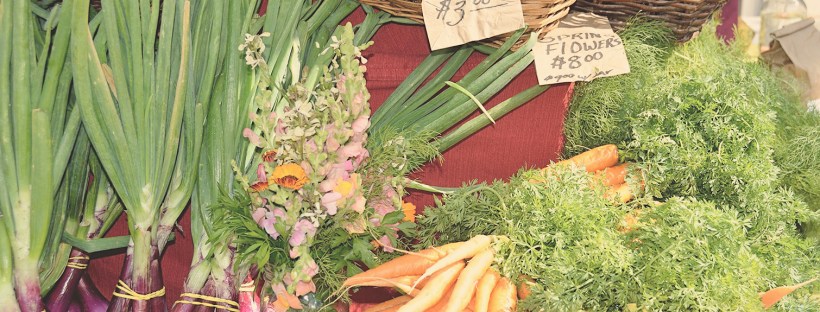
Organic farming is the practice of agriculture that depends on techniques such as crop rotation, green manure, compost, and biological pest control to maintain soil productivity and control pests on a farm.
Organic farming excludes the use of chemicals, manufactured fertilizers are regulated and legally enforced based on large part on the standards set by the International Federation of Organic Agriculture Movements (IFOAM)
Originally and for thousands of years, all farmers grew their crops organically. Before we had created herbicides and hormones, we relied on our knowledge of the soil, the planets themselves, and the seasons to grow our crops to feed our families.
After the start of the industrial revolution, however, inorganic methods of farming were introduced and many of them had serious side effects, thus beginning the organic movement of the 1940s.
Today, organic farming has made up only a fraction of total agricultural output. The problem is the price. You may be asking, “if organic food doesn’t use pesticides and chemicals, why is it so much more expensive?”
Well, here’s your answer. Part of it is because organic agriculture, unlike its inorganic foe, doesn’t receive an equal amount of government support. Most organic farms are too small to qualify for government programs aimed at the huge corporations, and their diverse, seasonal crops don’t qualify for support aimed at gigantic mono-crops.
In addition, the cost of growing organic is simply higher: the cost of labor, fertilizer, pest management, seeds, etc., are in most cases higher than chemical products.
Inorganic agriculture has only proven to yield a slightly larger amount of produce than organic methods, while inorganic is much worse for the body and the planet.
Conventionally-grown food uses a tremendous amount of pesticides on the crops. According to the EPA, the world dumps approximately 5.6 billion pounds of pesticides on its crops each year. In other words, farmers are dumping 5.6 billion pounds of chemicals into the Earth that we live on.
These pesticides don’t cause problems only to the pests their fighting and the water supply they flow into, but also to the farmers applying them and to to he people eating the produce.
93% of Americans tested by the Center of Disease Control had metabolites of chlorpyrifos (a neurotoxic insecticide) in their urine.
The USDA Pesticide Data Program found 59 known pesticides in our water supply. These include 9 known carcinogens, 20 suspected hormone disrupters, 7 neurotoxins, and 14 developmental or reproductive toxins.
What To Do?
The top ten most pesticides loaded fruits and veggies, from worst to slightly less terrible (but still highly disturbing):
- Peaches
- Apples
- Sweet Bell Peppers
- Celery
- Nectarines
- Strawberries
- Cherries
- Pears
- Grapes (imported)
- Spinach
Organic food is the key to this huge problem. Organic produce is the only way to feed the world while protecting the planet. Organic food does not use toxins, does not poison the water supply, contributes to biodiversity, and helps to capture carbon.
The superior man seeks what is right; the inferior one, what is profitable
Confucius
-Sarah
 The Conscious Life